Know Your Edge: A Guide to Knife Shapes & Their Purpose
Choosing the right knife changes everything in the kitchen. Whether you're breaking down proteins, processing whole animals, or doing delicate vegetable prep, understanding blade geometry helps you pick the right tool for the job.
Here is a breakdown of the core Japanese-inspired profiles and essential Western shapes we forge and maintain at Rusty Knives.
Japanese-Inspired Profiles
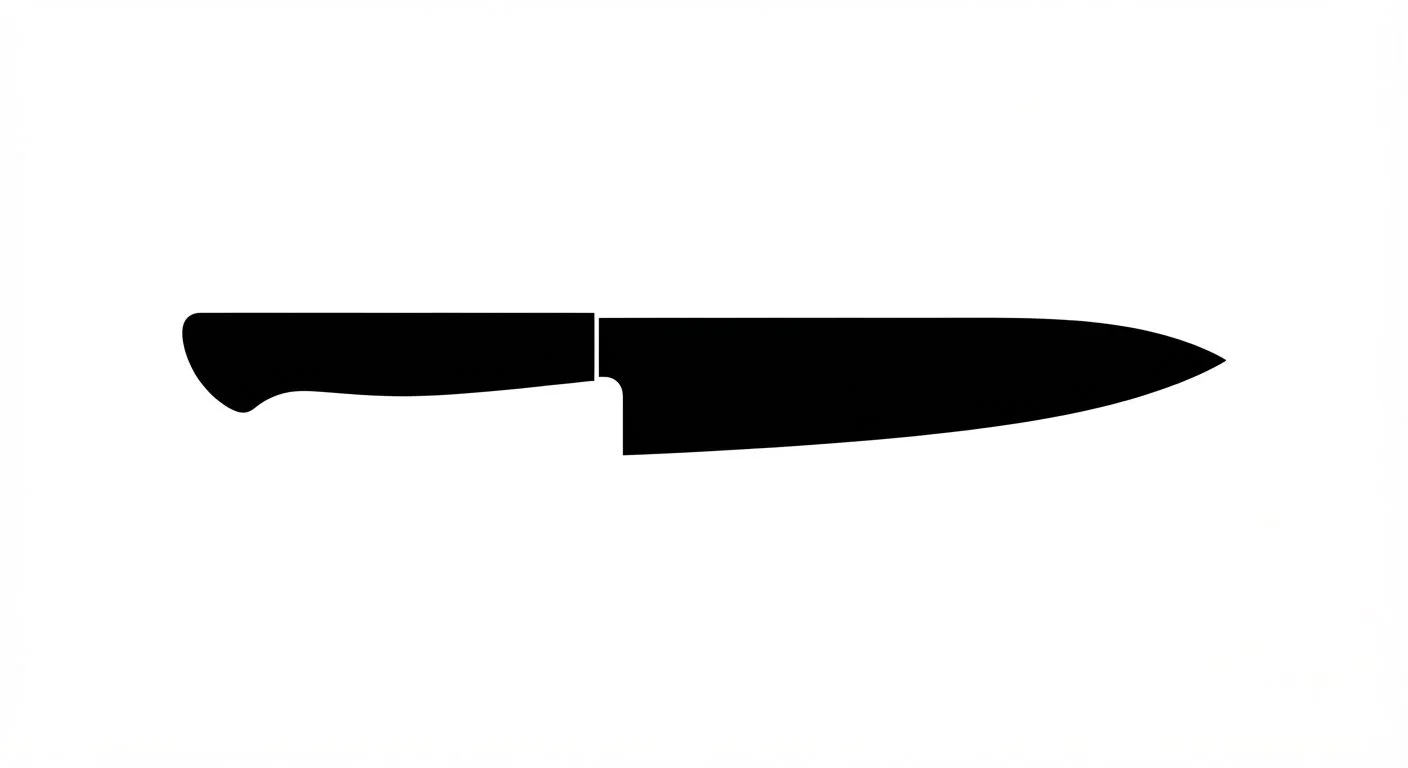
1. Gyuto (The All-Rounder)
What it is: The Japanese equivalent of the Western chef’s knife.
The Shape: Features a slightly curved belly that tapers to a fine point, blending flat profile efficiency with enough curve for a smooth rocking motion.
Best For: Almost everything—slicing, dicing, and chopping meat, fish, and vegetables.
The Vibe: If you can only own one knife in the kitchen, make it a Gyuto.
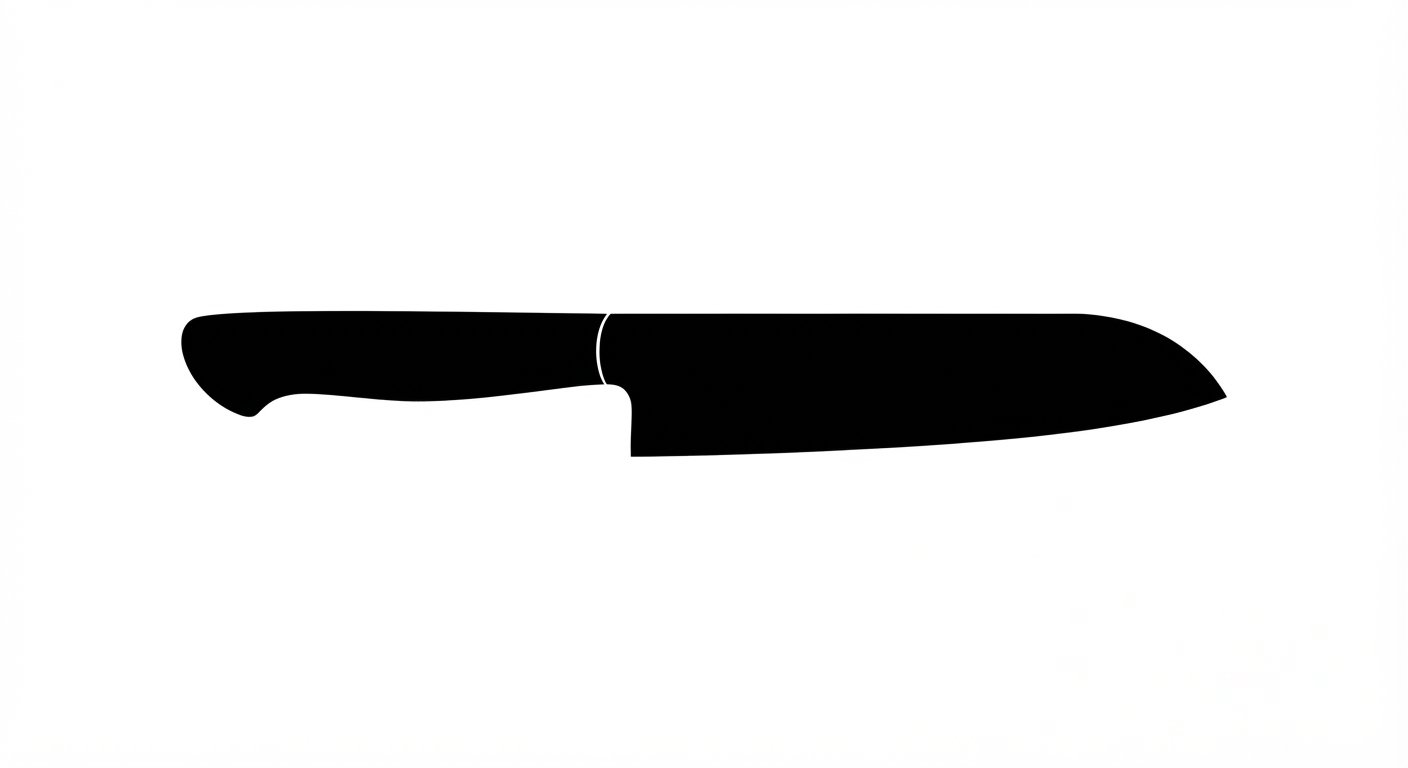
2. Santoku (The Three Virtues)
What it is: A traditional general-purpose kitchen knife designed for home cooks and pros alike.
The Shape: Shorter and wider than a Gyuto, with a flatter edge and a blunt, sheep's-foot style tip.
Best For: Up-and-down push-chopping. Excellent for vegetables, thin cuts of meat, and general prep work.
The Vibe: Agile, balanced, and incredibly efficient on the board.
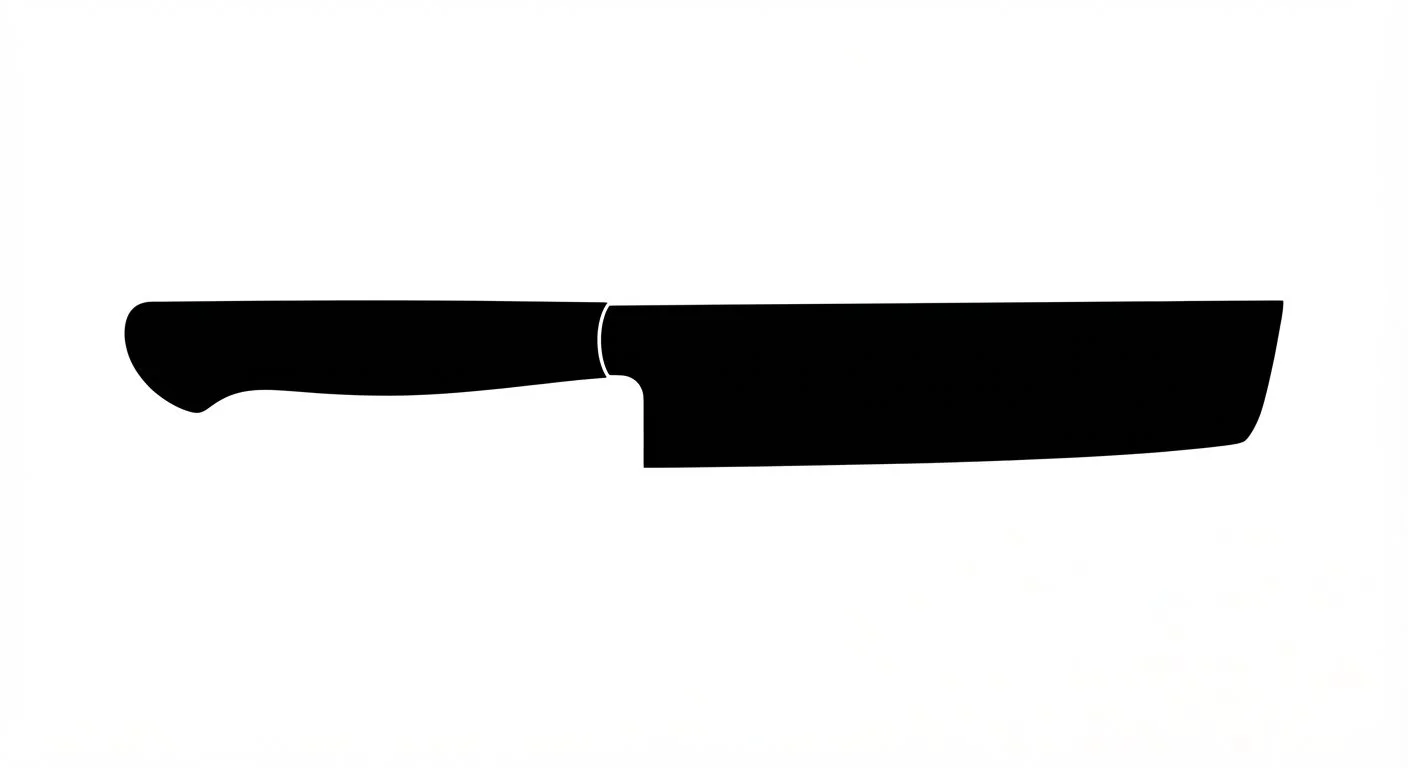
3. Nakiri (The Vegetable Specialist)
What it is: A dedicated, double-bevel vegetable cleaver.
The Shape: Completely flat edge with a squared-off tip. You don't rock this knife; it makes clean, full-contact pushes straight down to the board.
Best For: Juliennes, brunoise, chopping onions, and slicing greens cleanly without pulling fibers.
The Vibe: A powerhouse for plant-based prep that leaves uniform cuts every time.
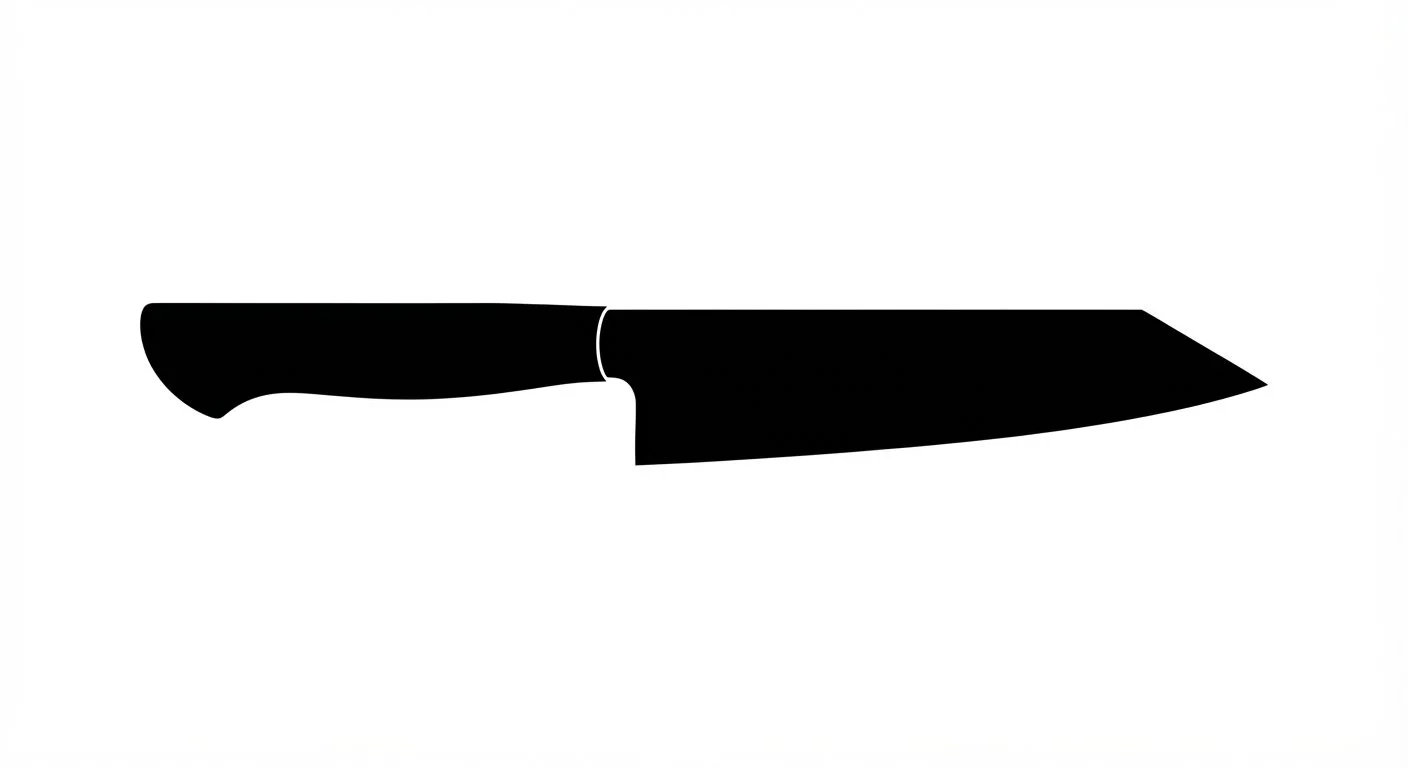
4. Bunka (The Modern Multi-Tasker)
What it is: A hybrid utility knife combining the flat edge of a Nakiri with a sharp, reverse-tantō tip.
The Shape: Flat profile with a steep, angled point.
Best For: Precise push-cuts, detail work, and general prep where you need a fine point for incisions.
The Vibe: Aggressive looks with high-performance utility.
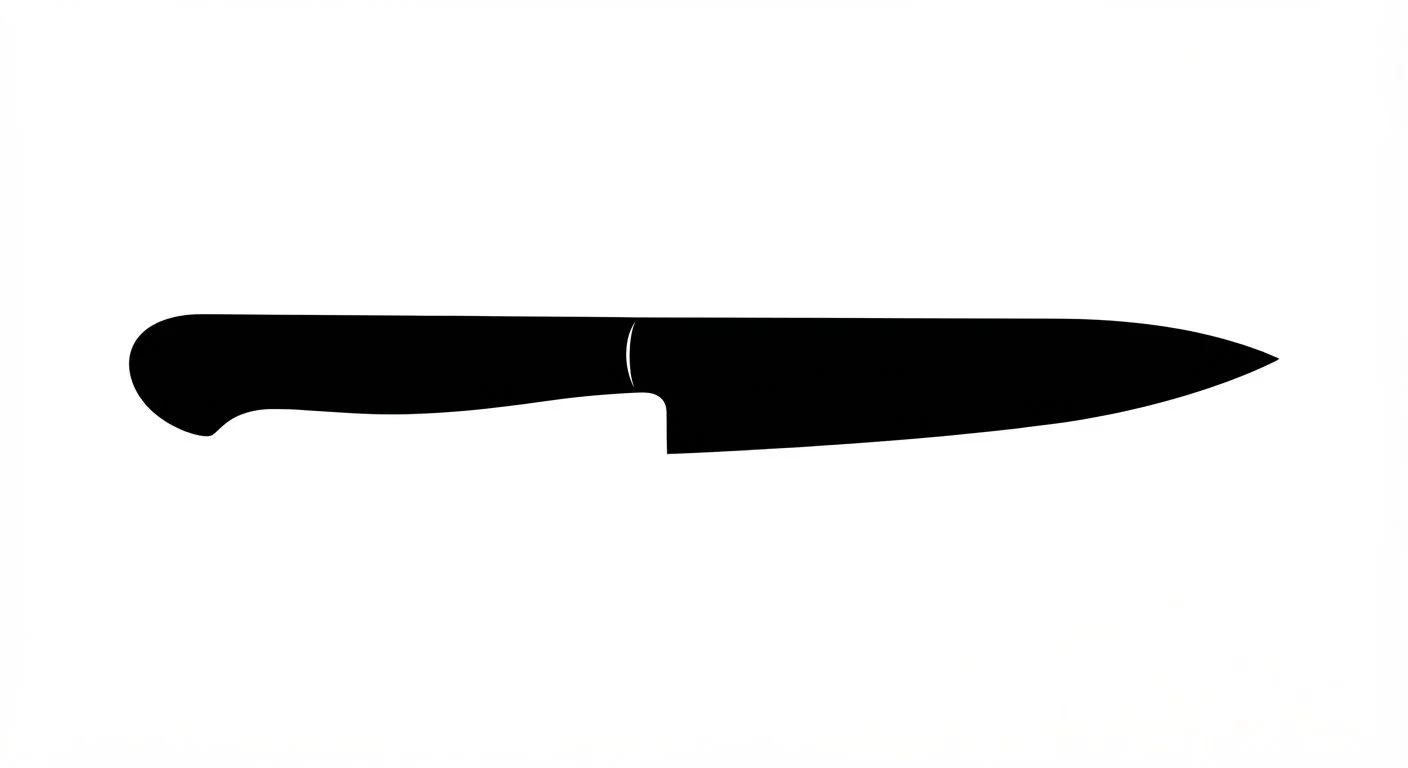
5. Petty (The Precision Tool)
What it is: The Japanese utility or paring knife (typically 4 to 6 inches).
The Shape: A scaled-down, nimble version of a Gyuto.
Best For: In-hand peeling, trimming fat, mincing garlic, and intricate board work where a big chef's knife is too clumsy.
The Vibe: Small, agile, and indispensable for finer tasks.
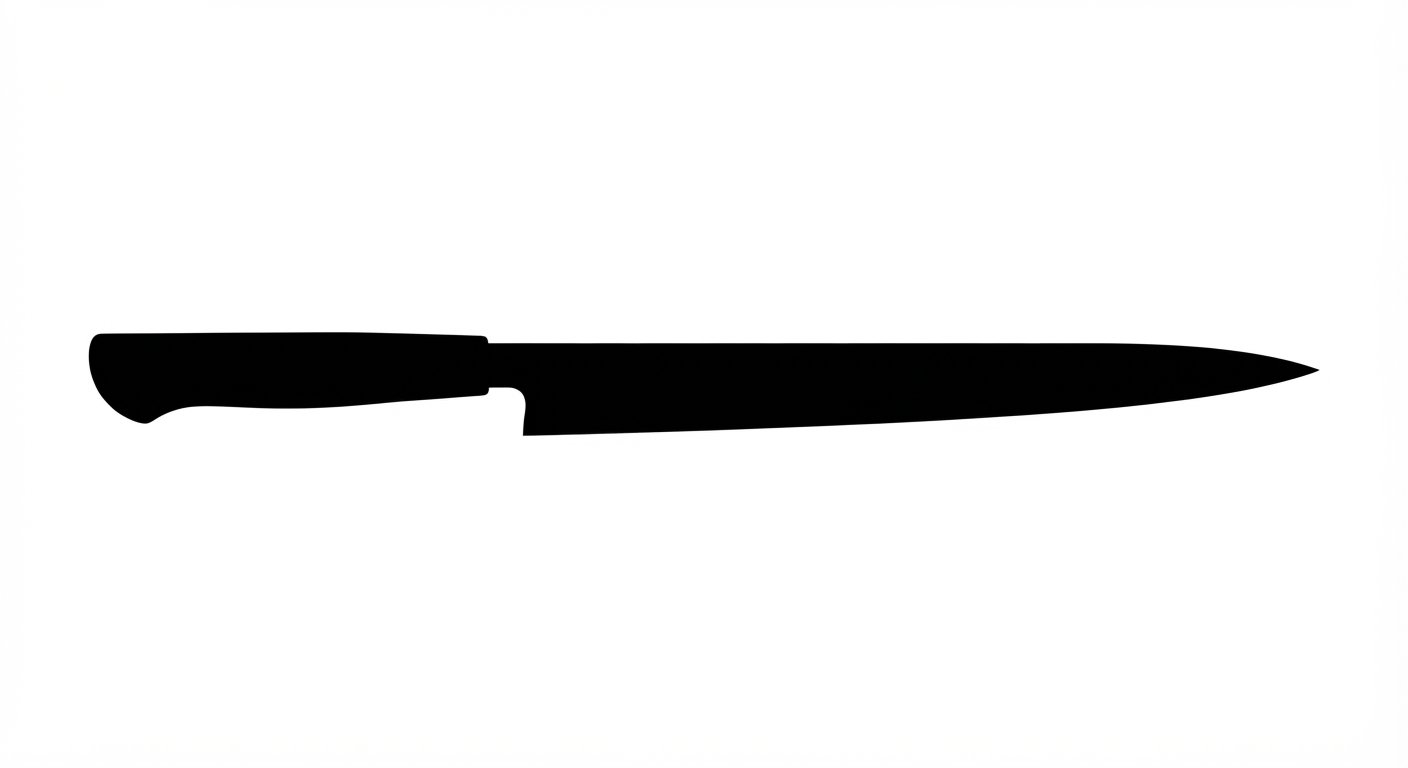
6. Yanagiba (The Slicing Master)
What it is: A long, traditional single-bevel slicing knife designed for raw fish.
The Shape: Long, narrow, willow-leaf blade with a concave grind on the back side.
Best For: Pull-cutting raw fish for sashimi and sushi with zero cell damage, keeping the fish fresh and clean.
The Vibe: Surgical, specialized artistry.
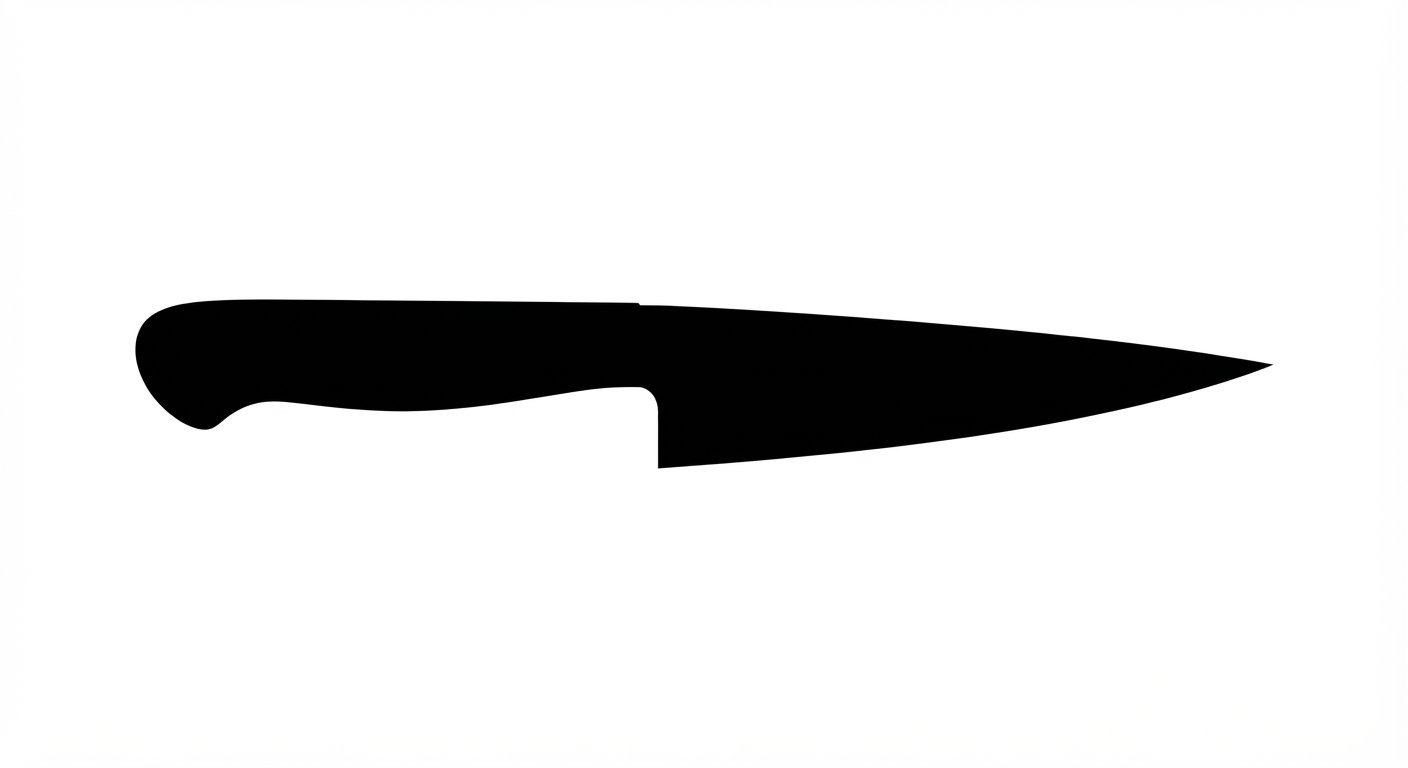
7. Honosuki (The Boning Knife)
What it is: A specialized, rigid Japanese butchery knife.
The Shape: Triangular profile with a stiff spine and a sharp, acute tip designed for precision work around joints.
Best For: Breaking down poultry, deboning meat, and working tightly around bone structures.
The Vibe: Tough, nimble, and built for heavy-duty butchery tasks.
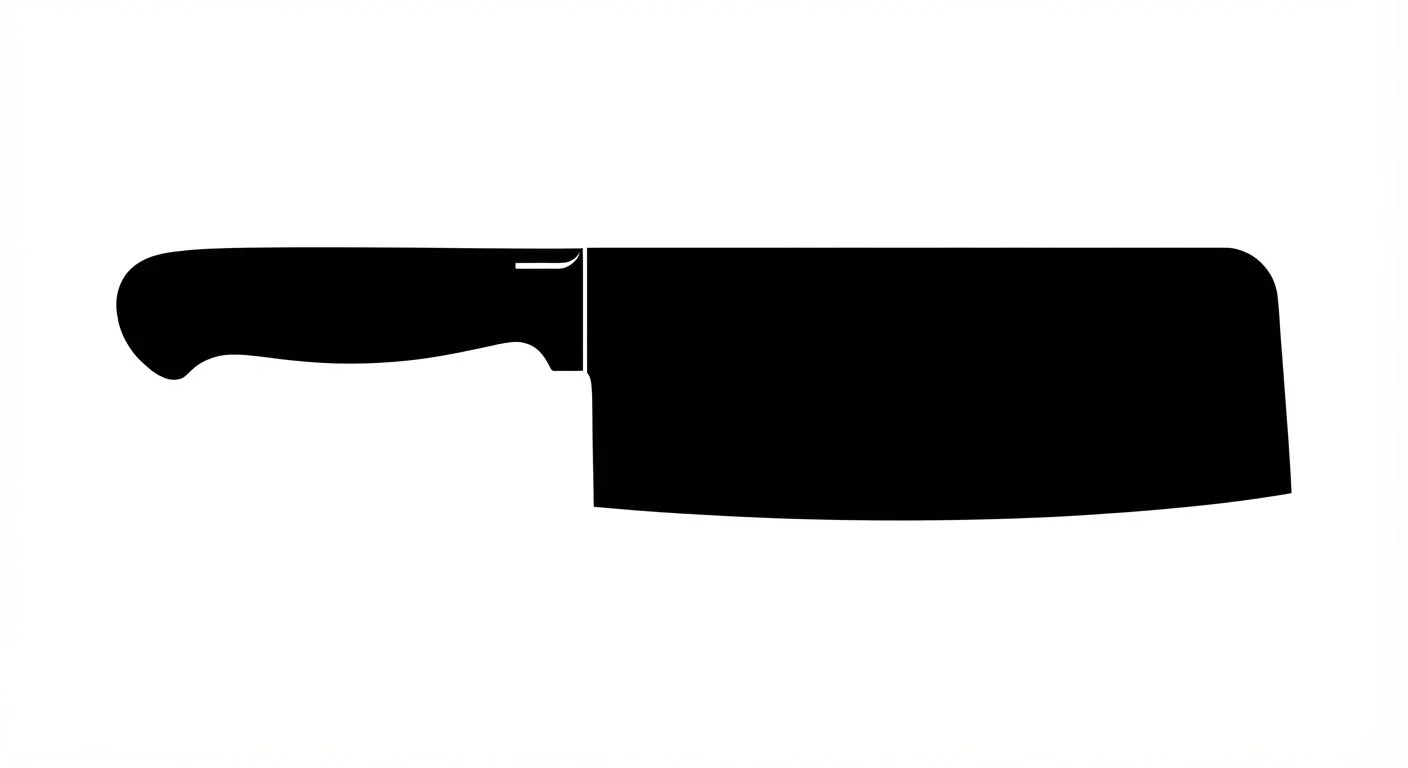
8. Chinese Cleaver / Chai Dao (The Kitchen Workhorse)
What it is: Often mistaken for a heavy bone chopper, this is actually a thin, nimble vegetable and general-use knife.
The Shape: Large, rectangular profile with surprising thinness behind the edge.
Best For: Everything in a busy line kitchen—slicing, crushing garlic with the flat side, and scooping up prepped ingredients to toss in the wok or pan.
The Vibe: A cultural staple that can practically run an entire kitchen on its own.
Western Profiles
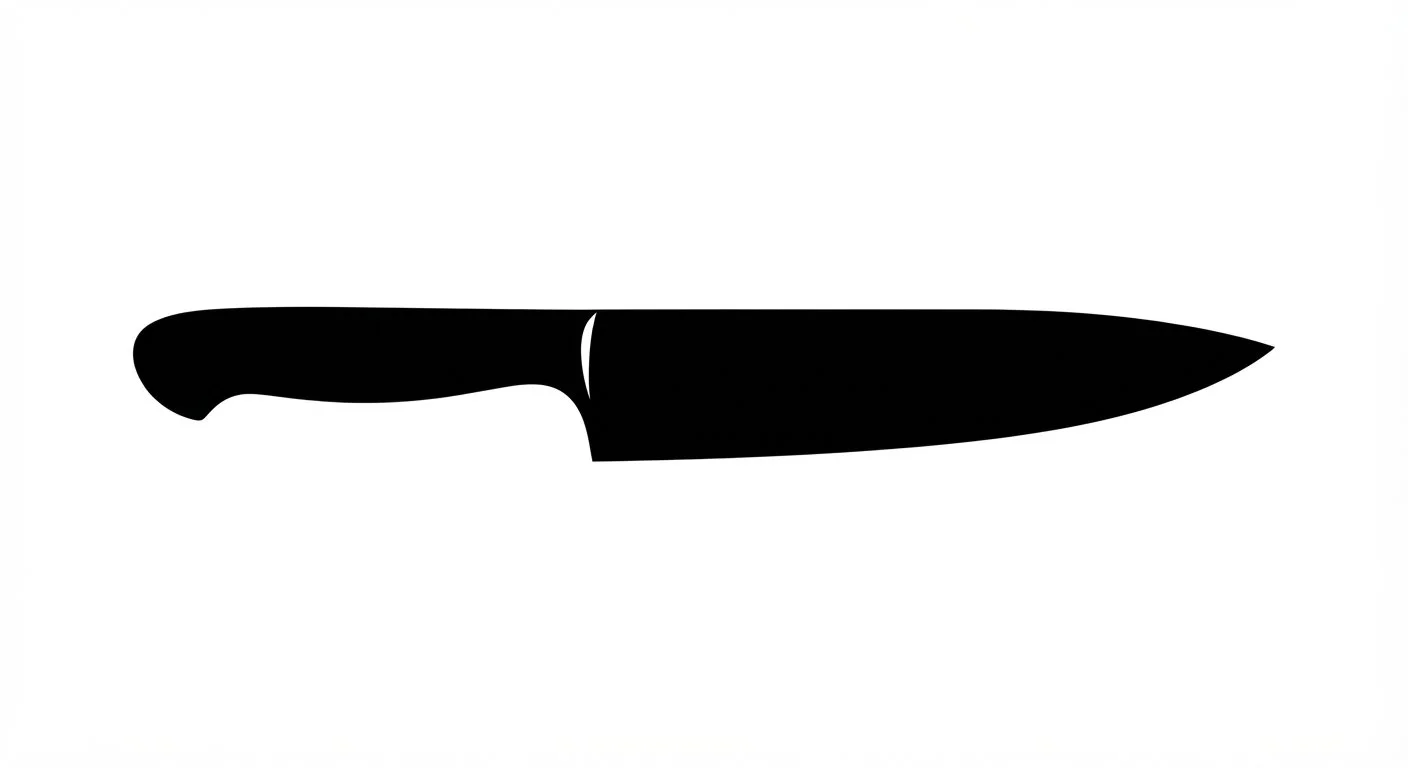
9. Western Chef’s Knife (The Workhorse)
What it is: The classic European kitchen staple.
The Shape: Heavier, thicker spine, and a more pronounced belly designed explicitly for a rolling rock-chop motion.
Best For: Heavy-duty prep, robust commercial kitchens, and cooks who prefer a heavier hand-feel and a sturdy backbone.
The Vibe: Durable, familiar, and built to take a beating on the line.
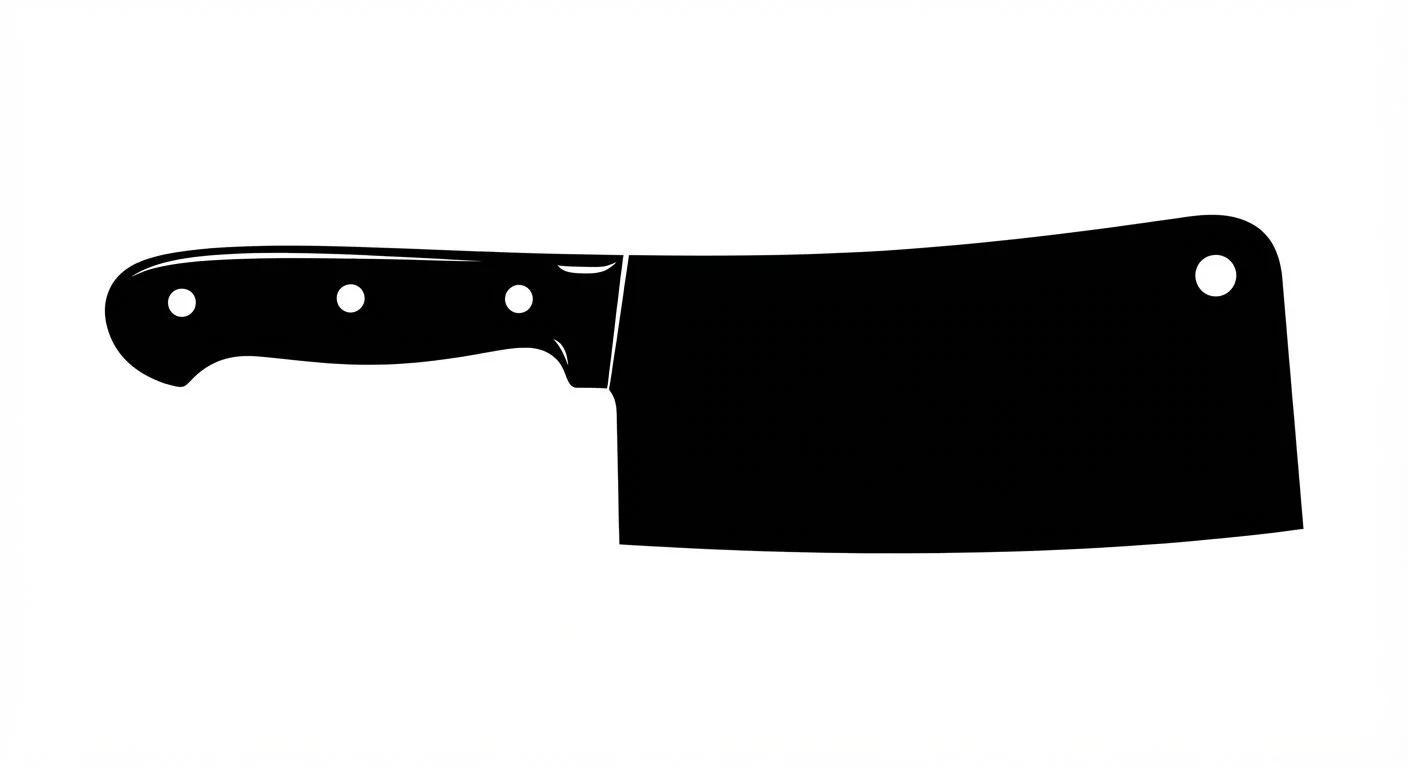
10. Western Meat Cleaver (The Heavy Hitter)
What it is: A thick, heavy-duty chopping cleaver designed for raw power.
The Shape: Massive, heavy rectangular blade with a robust, durable edge.
Best For: Hacking through bone, cartilage, and thick primal cuts of meat.
The Vibe: Pure mechanical advantage. (Note: Never use a Japanese Nakiri for this—that's what a heavy Western cleaver is for!)
11. The Breaking Knife
The Profile: A long, specialized butcher’s knife featuring a distinctively sweeping, upward-curved blade and a rounded, bulbous tip.
Primary Function: Designed for heavy-duty butchery and sub-primal meat processing. The elongated, sweeping belly allows you to execute long, continuous, single-stroke slicing cuts through large cuts of meat and muscle without dragging or tearing the fibers.
Best Used For: Breaking down whole sides of beef, pork, or game into manageable roasts and steaks, as well as trimming large sections of fat.
The Design Advantage: While it shares lineage with the butcher's family, the sweeping curve maximizes contact length during pull-cuts, making quick work of large-scale meat fabrication.